Exact2Pass

Designing modern enterprise infrastructure on Microsoft Azure demands balancing operational cost, performance tiering, cross-region resilience, and identity boundary enforcement. Enterprise cloud solutions architects must translate complex business constraints and regulatory standards into maintainable, scalable technical frameworks. Achieving the Microsoft Certified: Azure Solutions Architect Expert credential by clearing the AZ-305 exam validates your capability to orchestrate full-stack cloud and hybrid architectures across heterogeneous enterprise landscapes.
The AZ-305 evaluation differs sharply from operational administration tests because it measures architectural justification and trade-off analysis under competing business priorities. Candidates frequently struggle when relying on high-yield az-305 exam questions or static checklists that isolate services rather than exploring dependencies. Success demands knowing how to pair Azure SQL Hyperscale with appropriate caching tiers, select optimal hub-and-spoke topologies with Azure Virtual WAN, and implement automated governance via deployment stacks. Using a structured designing microsoft azure infrastructure solutions study guide alongside calibrated scenario simulations builds the diagnostic mindset needed to pass the proctored exam on your first attempt.
The AZ-305 certification exam measures your higher-order cognitive ability to analyze business requirements and synthesize multi-tier cloud architectures. Our realistic scenario-based simulations replicate official Microsoft case studies, complex trade-off matrices, and drag-and-drop architectural design items instead of plain recall questions. Engaging with timed, multi-layered problem statements trains you to balance reliability, performance efficiency, cost optimization, and security constraints with confidence.
You need to recommend a strategy for the web tier of WebApp1. The solution must minimize What should you recommend?
A company is planning on deploying an application onto Azure. The application will be based on the .Net core programming language. The application would be hosted using Azure Web apps. Below is part of the various requirements for the application
Give the ability to correlate Azure resource usage and the performance data with the actual application configuration and performance data
Give the ability to visualize the relationships between application components
Give the ability to track requests and exceptions to specific lines of code from within the application Give the ability to actually analyse how uses return to an application and see how often they only select a particular drop-down value
Which of the following service would be best suited for fulfilling the requirement of
“Give the ability to correlate Azure resource usage and the performance data with the actual application configuration and performance data”
A company has an on-premises file server cbflserver that runs Windows Server 2019. Windows Admin Center manages this server. The company owns an Azure subscription. You need to provide an Azure solution to prevent data loss if the file server fails.
Solution: You decide to create an Azure Recovery Services vault. You then decide to install the Azure Backup agent and then schedule the backup. Would this meet the requirement?
You plan to migrate App1 to Azure.
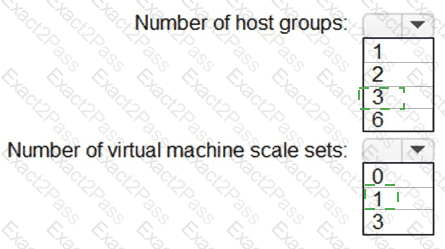
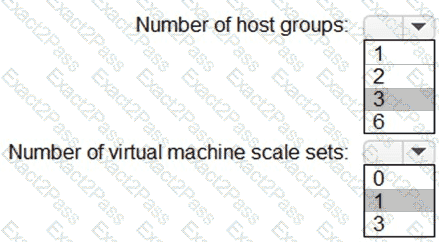
You need to recommend a high-availability solution for App1. The solution must meet the resiliency requirements.
What should you include in the recommendation? To answer, select the appropriate options in the answer area.
NOTE: Each correct selection is worth one point.
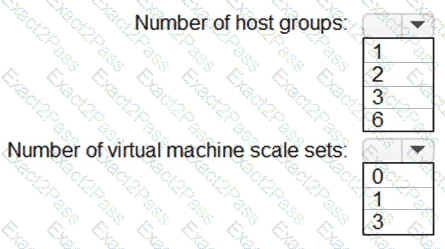
You need to recommend a solution that meets the data requirements for App1.
What should you recommend deploying to each availability zone that contains an instance of App1?
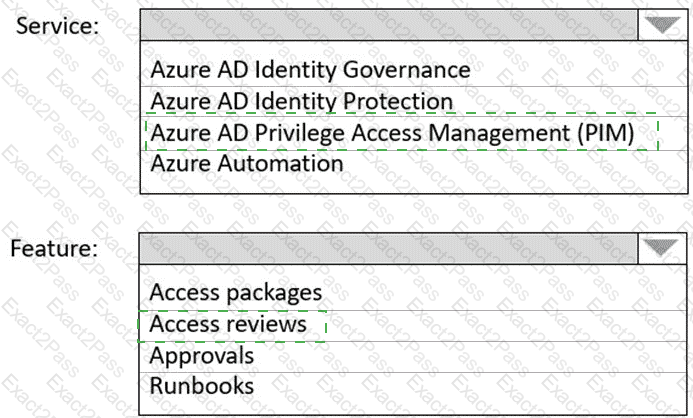
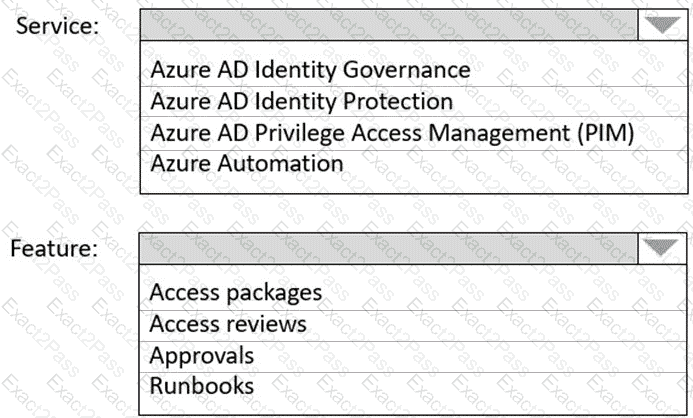
What should you implement to meet the identity requirements? To answer, select the appropriate options in the answer area.
NOTE: Each correct selection is worth one point.
What should you recommend to meet the monitoring requirements for App2?
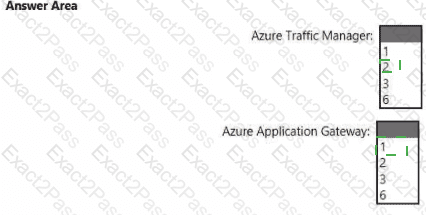
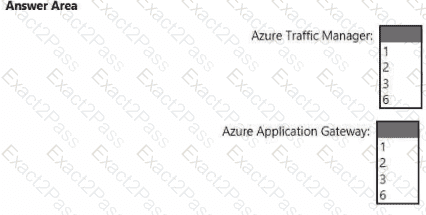
You are evaluating whether to use Azure Traffic Manager and Azure Application Gateway to meet the connection requirements for App1.
What is the minimum numbers of instances required for each service? To answer, select the appropriate options in the answer area.
NOTE: Each correct selection is worth one point.
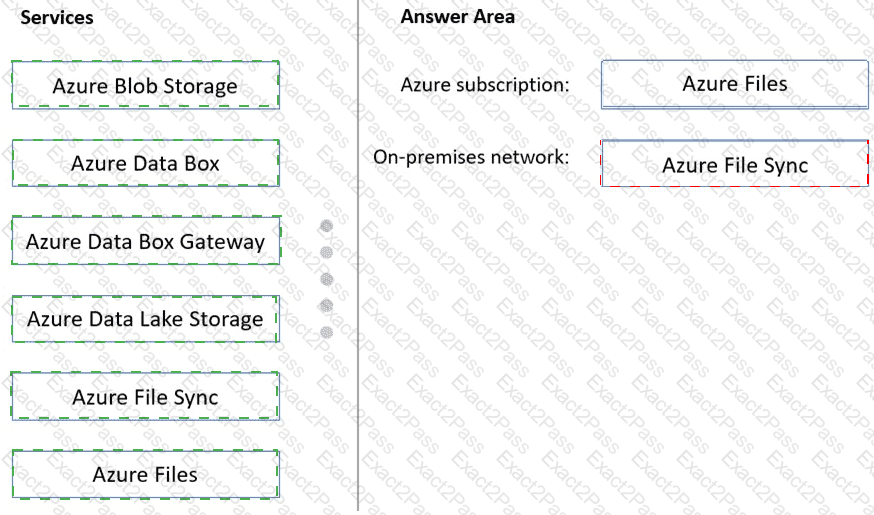
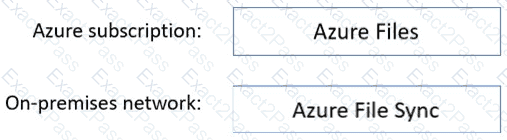
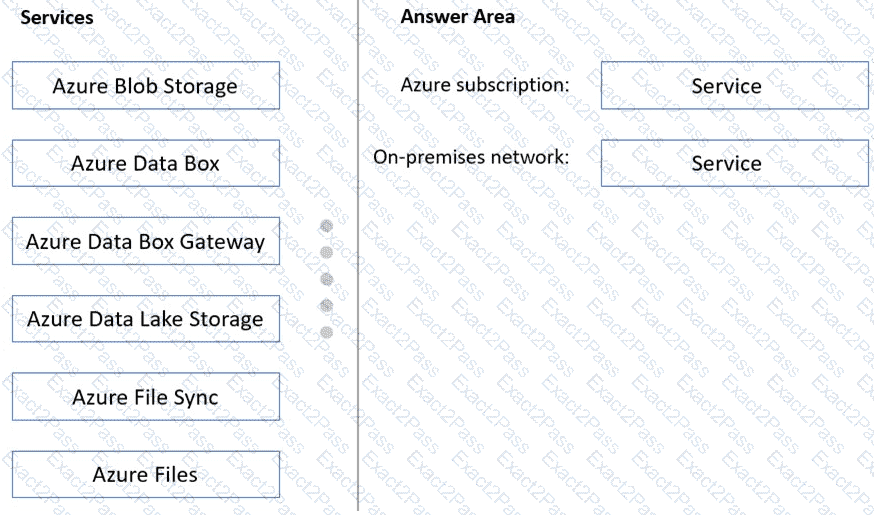
You need to recommend a solution that meets the file storage requirements for App2.
What should you deploy to the Azure subscription and the on-premises network? To answer, drag the appropriate services to the correct locations. Each service may be used once, more than once, or not at all. You may need to drag the split bar between panes or scroll to view content.
NOTE: Each correct selection is worth one point.
What should you recommend lo meet the monitoring requirements for App2?