Exact2Pass

Last Update 13 hours ago Total Questions : 150
The CCRN (Adult) - Direct Care Eligibility Pathway content is now fully updated, with all current exam questions added 13 hours ago. Deciding to include CCRN-Adult practice exam questions in your study plan goes far beyond basic test preparation.
You'll find that our CCRN-Adult exam questions frequently feature detailed scenarios and practical problem-solving exercises that directly mirror industry challenges. Engaging with these CCRN-Adult sample sets allows you to effectively manage your time and pace yourself, giving you the ability to finish any CCRN (Adult) - Direct Care Eligibility Pathway practice test comfortably within the allotted time.
A patient with end-stage COPD who has failed multiple mechanical ventilation weaning trials communicates a desire to discontinue mechanical ventilation and be extubated. Which of the following is a nurse ' s best response?
A patient is admitted with a traumatic brain injury. During assessment, a nurse notes increased urinary output from the catheter. Which of the following should the nurse suspect?
The family member of a patient who is receiving mechanical ventilation is to be taught suctioning. When developing a teaching plan, the nurse should first
Which of the following is most indicative of successful treatment for salicylate poisoning?
Which of the following is a cause of cardiogenic pulmonary edema?
A patient with a history of COPD is admitted with increasing dyspnea and fatigue. O2 is initiated via nasal cannula at 4 L/min with an O2 saturation of 99%. One hour later, the patient becomes lethargic. Which of the following is the most likely cause for the change in the patient ' s mental status?
Which of the following is the most common prerenal cause of acute tubular necrosis?
A nurse has responded to a rapid response call on a medical-surgical floor in the hospital. The nurse finds the patient with the following data:
BP 72/30
HR 132
RR 24
T 102.3° F (39.0° C)
SpO2 95%
Ph 7.13
PaCO2 34 mm Hg
PaO2 88 mm Hg
HCO3 14 mEq/L
Na+ 142 mEq/L
The nurse should anticipate an order to administer which of the following?
A patient has a linear skull fracture with multisystem trauma. The patient ' s vital signs are as follows:
BP 80/50
HR 120
CVP 2 mm Hg
Which of the following is the most appropriate explanation for this patient ' s condition?
Which of the following are most indicative of acute pancreatitis?


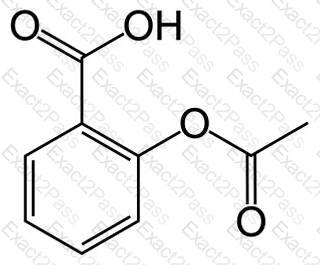 Salicylate poisoning