Exact2Pass

Last Update 12 hours ago Total Questions : 227
The Palo Alto Networks Cybersecurity Practitioner (PCCP) content is now fully updated, with all current exam questions added 12 hours ago. Deciding to include Practitioner practice exam questions in your study plan goes far beyond basic test preparation.
You'll find that our Practitioner exam questions frequently feature detailed scenarios and practical problem-solving exercises that directly mirror industry challenges. Engaging with these Practitioner sample sets allows you to effectively manage your time and pace yourself, giving you the ability to finish any Palo Alto Networks Cybersecurity Practitioner (PCCP) practice test comfortably within the allotted time.
What is the definition of a zero-day threat?
In which situation would a dynamic routing protocol be the quickest way to configure routes on a router?
Which two workflows are improved by integrating SIEMs with other security solutions? (Choose two.)
What are two disadvantages of Static Rout ng? (Choose two.)
Which characteristic of advanced malware makes it difficult to detect?
What are two functions of an active monitoring system? (Choose two.)
Which option describes the “selective network security virtualization” phase of incrementally transforming data centers?
Which item accurately describes a security weakness that is caused by implementing a “ports first” data security solution in a traditional data center?
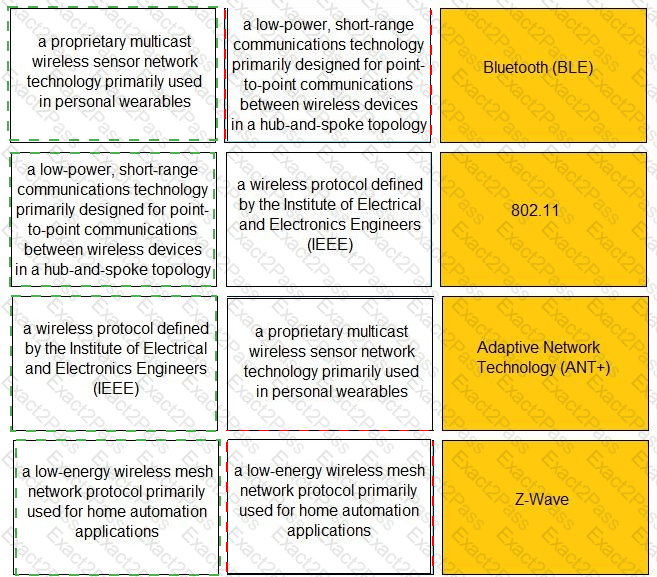
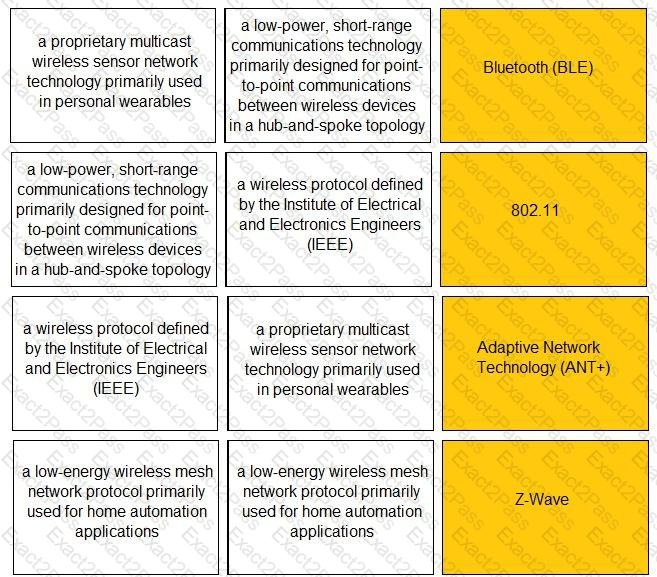
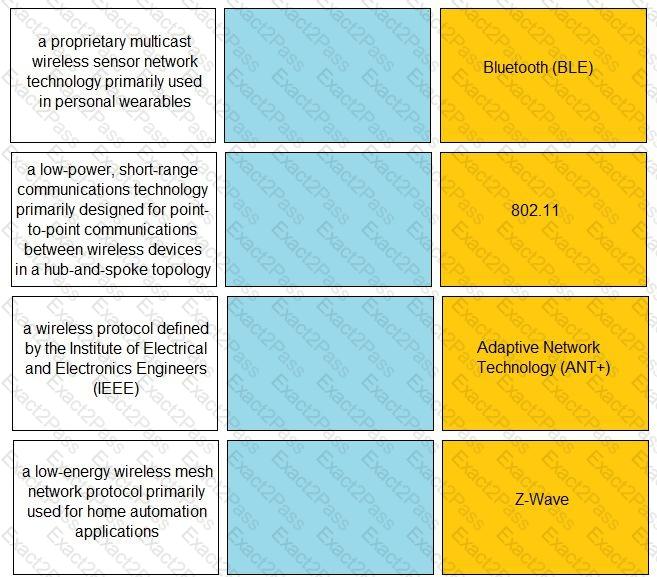
Match the IoT connectivity description with the technology.
What are the two most prominent characteristics of the malware type rootkit? (Choose two.)